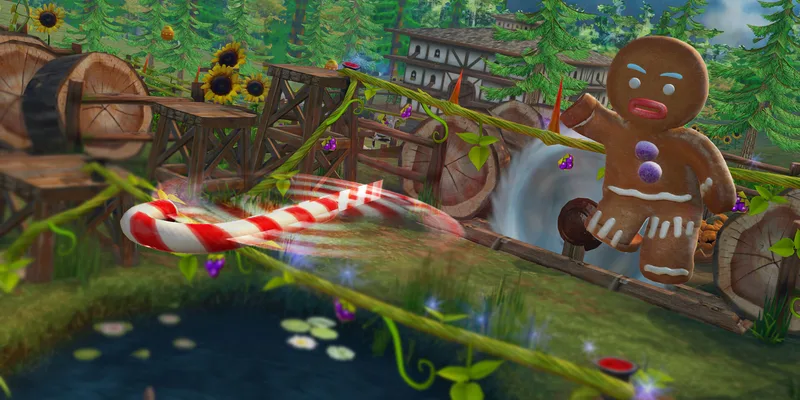
- DreamWorks Shrek 2 Remastered modernizes a nostalgic movie-based co-op brawler.
- Visual upgrades focus on textures, character presentation, interface clarity, and cutscene quality.
- Original charm remains strongest in the low-detail models, classic menus, and period-specific presentation.
- Remastered advantages include a cleaner image, more accessible controls, and potentially smoother multiplayer.
- Best choice depends on whether you value historical authenticity or a more convenient modern presentation.
DreamWorks Shrek 2 Remastered Original vs Remastered Overview
DreamWorks Shrek 2 Remastered original vs remastered comparisons are most useful when they separate nostalgia from measurable improvements. The original game is remembered as a lighthearted action brawler built around the world of the 2004 animated film, while the remastered edition is designed to make that experience easier to revisit on modern hardware.
The comparison is not simply about whether the newer version looks sharper. A good remaster should preserve the original rhythm, humor, character variety, and cooperative identity while reducing the visual and technical friction associated with an older console release.
| Comparison Area | Original Release | Remastered Edition |
|---|---|---|
| Visual presentation | Era-specific models and textures | Reworked assets and cleaner image quality |
| Character portraits | Low-resolution menu artwork | More polished and readable presentation |
| Interface | Designed around older television displays | Updated for modern screens |
| Cutscenes | Original presentation and resolution | Enhanced presentation where supported |
| Multiplayer identity | Local co-op focused | Modernized options may improve accessibility |
| Nostalgia value | Highest for longtime players | Preserved through updated presentation |
The original has a distinct personality because its limitations are part of its identity. Character models, menus, and effects reflect the hardware and design conventions of their time. Those elements may appear rough today, but they also create the visual memory many returning players want to experience again.
The remaster’s goal is therefore a balancing act. Improved textures and interface elements can make the game easier to read, but excessive cleanup could remove some of the charm that made the original memorable.
Use side-by-side screenshots with matching camera angles when comparing editions. Different scenes, lighting, or character animations can make a visual difference appear larger than it really is.
Graphics, Models, and Presentation Changes
The clearest difference between the two editions should appear in image quality. The original release was built for older console output, so its environments, character models, effects, and interface elements were designed around lower resolutions. A remaster can improve those assets without changing the underlying art direction.
The most meaningful upgrades are usually the ones players notice during normal play rather than during a paused screenshot. Cleaner textures can make environments easier to read, while updated character portraits can give menus a more consistent appearance.
Character Models
Improved surface detail can make Shrek, Donkey, Fiona, and supporting characters appear clearer while preserving their recognizable silhouettes.
Environments
Refined textures and stronger image clarity help locations from the film-inspired adventure feel less blurry on modern displays.
Interface
Updated icons, portraits, and menu layouts can improve readability during combat and cooperative play.
| Visual Element | What to Inspect | Why It Matters |
|---|---|---|
| Character faces | Texture clarity, eyes, hair, and facial detail | Faces carry much of the film-inspired appeal |
| Clothing and props | Surface definition and color separation | Helps characters remain readable during action |
| Backgrounds | Texture sharpness and environmental contrast | Makes exploration feel less visually muddy |
| Effects | Impact flashes, dust, magic, and enemy feedback | Improves combat readability |
| Menus | Icon scale, typography, and portrait quality | Reduces friction between stages |
A successful update should retain the original color language rather than replacing it with a darker or more realistic style. Shrek’s world depends on exaggerated shapes, bright colors, comedic animation, and a storybook-like visual tone. Sharper assets are useful only when they support those qualities.
It is also important to distinguish between a true asset rebuild and simple upscaling. Upscaling can make an image larger, but it does not necessarily add meaningful detail. Rebuilt textures, revised portraits, and improved lighting usually create a more noticeable improvement than resolution alone.
Sharper graphics do not automatically make a better remaster. If the updated assets become too glossy or realistic, the game can lose the cartoon-like tone that defines its original presentation.
Gameplay Feel and Cooperative Play
The original Shrek 2 game stands out because it is designed around accessible action and cooperative fun rather than complex combat systems. A remaster should preserve that immediate feel. Attacks need to remain responsive, character abilities should stay recognizable, and the camera should continue to support group play.
For returning players, the most important question is whether the new edition feels like the same game after the visual update. If animations are retimed, collision behavior changes, or the camera behaves differently, the comparison becomes more than a graphics discussion.
| Gameplay Feature | Original Strength | Remaster Evaluation |
|---|---|---|
| Basic combat | Simple attacks with quick accessibility | Should retain immediate response |
| Character variety | Different heroes provide changing play styles | Should preserve recognizable roles |
| Cooperative play | Strong local multiplayer identity | Online or expanded options improve convenience if stable |
| Camera behavior | Built around shared-screen action | Clarity matters more with modern displays |
| Progression | Straightforward stage-based structure | Should remain easy to follow |
| Replay value | Nostalgia and multiplayer sessions | Benefits from smoother setup and added options |
When comparing editions, test the same stage with the same characters whenever possible. This avoids confusing character-specific differences with remaster changes. Pay attention to hit feedback, enemy reactions, object interactions, and the amount of information visible around the edges of the screen.
A modern cooperative feature can be valuable without replacing local play. The strongest approach is to support different ways to play while keeping the original group-focused design intact. Players who remember sharing a console can continue doing so, while new audiences may appreciate a more convenient multiplayer setup.
The remaster should also avoid turning a simple brawler into a more complicated action game. Additional menus, unnecessary progression layers, or intrusive online requirements could distract from the short-session fun that makes this type of game appealing.
Play one familiar stage in both editions using the same character combination. Compare movement, attack response, camera clarity, enemy feedback, and cooperative readability before judging the remaster.
Step-by-Step Original vs Remastered Test
A structured test produces a more reliable comparison than switching between random screenshots. The following process works for players, wiki editors, and anyone deciding which edition better fits their expectations.
Choose a Matching Scenario
Select the same stage, character, difficulty, and cooperative setup in both editions. A familiar section makes visual and gameplay differences easier to recognize.
Record the First Impression
Compare loading presentation, menus, character selection, and the opening moments before focusing on technical details. Note which edition communicates information more clearly.
Test Core Combat
Check attack response, enemy reactions, hit effects, movement, jumping, special abilities, and object interactions. Avoid judging combat from a cutscene alone.
Review Visual Details
Inspect character models, portraits, textures, lighting, interface icons, and cutscenes at the same display size. Look for genuine detail rather than simple image enlargement.
Evaluate Long-Term Convenience
Consider controller support, multiplayer setup, display compatibility, save behavior, performance consistency, and whether the updated version remains faithful to the original tone.
| Test Category | Questions to Ask | Strong Result |
|---|---|---|
| First impression | Are menus clear and easy to navigate? | Fast, readable setup |
| Combat | Do attacks and reactions feel responsive? | Familiar timing with clear feedback |
| Visuals | Are details improved without changing the style? | Cleaner presentation with preserved identity |
| Co-op | Can players understand the action together? | Good camera and readable effects |
| Replayability | Is it convenient to return for another session? | Low friction and stable performance |
This method helps separate personal preference from practical improvement. Some players will prefer the original because its presentation feels authentic. Others will favor the remaster because cleaner assets and modern conveniences make the same adventure easier to enjoy.
Do not compare only the most attractive screenshots. Menus, ordinary combat, camera movement, and cooperative confusion often reveal more about a remaster’s quality than promotional scenes.
Which Edition Should You Choose?
The original and remastered editions serve different priorities. The original is the better reference for historical accuracy, period presentation, and pure nostalgia. The remaster is the more practical option when visual clarity, modern display compatibility, and easier multiplayer access matter most.
Neither choice needs to invalidate the other. A remaster can be judged as a convenient way to experience the game today, while the original remains important as the foundation for its style and reputation.
Choose the Original If:
- You want the authentic older-console presentation
- You prefer the original character portraits and menu style
- You are comparing the game as a piece of gaming history
- You enjoy the visual quirks associated with its original hardware
Choose the Remaster If:
- You want cleaner visuals on a modern display
- You prefer updated interface elements and presentation
- You want a more convenient way to organize cooperative sessions
- You are returning after many years and want less visual friction
| Player Priority | Recommended Edition | Reason |
|---|---|---|
| Authentic nostalgia | Original | Preserves the older presentation and familiar visual quirks |
| Cleaner visuals | Remastered | Designed to improve image clarity and asset presentation |
| Historical comparison | Both | The contrast shows how the game’s identity has been preserved |
| Casual modern sessions | Remastered | Convenience and readability are likely to matter most |
| Retro-focused collection | Original | Represents the game in its original release context |
The best comparison is not about declaring one edition universally superior. It is about identifying whether the remaster improves the experience without losing the qualities that made the original worth remembering.
Treat the remaster as an invitation to revisit the original design, not a replacement for its history. The strongest edition is the one that matches your preferred balance of authenticity, clarity, and convenience.
Q: What is the main difference in DreamWorks Shrek 2 Remastered original vs remastered comparisons?
The main difference is presentation. The remastered edition focuses on cleaner visuals, updated interface elements, and modern convenience while the original preserves its older-console appearance and nostalgic character.
Q: Does a remaster need to change the gameplay to be successful?
No. For a cooperative action game, preserving responsive combat, character abilities, camera behavior, and the original tone can be more important than adding major new systems.
Q: Which version is better for nostalgia?
The original is usually the stronger choice for nostalgia because it preserves the visual presentation, menus, models, and display style associated with the first release.
Q: Which version is better for new players?
The remastered edition is generally easier to recommend to new players when its visual improvements, interface updates, and multiplayer conveniences make the game more accessible.